


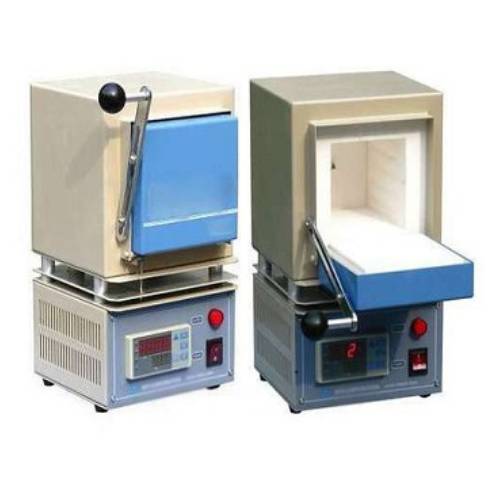
What is a Heat Treatment Furnace?
A heat treatment furnace is a specialized industrial heating system designed to raise metals and alloys to controlled high temperatures in order to modify their mechanical and physical characteristics — without changing their shape or dimensions.
These furnaces are essential for improving hardness, strength, toughness, and wear resistance in engineered components.
HK Thermal designs and manufactures advanced heat treatment furnaces engineered for precision, durability, and industrial reliability.
Core Components of a Heat Treatment Furnace
1. Heating System
Includes electric heating elements, gas burners, or induction coils that generate the required thermal energy.
2. Thermal Insulation
High-grade refractory materials retain internal heat and protect the furnace’s outer structure.
3. Temperature Control Unit
Equipped with sensors and programmable controllers (PID systems) to maintain accurate and stable temperatures.
4. Cooling Arrangement
Allows controlled cooling through air, oil, water, or inert gas depending on the treatment process.
Types of Heat Treatment Furnaces
1. Batch Furnaces
Batch furnaces process one load at a time. They are ideal for small-scale production, custom components, and specialized heat treatment applications.
Key Benefits:
- High temperature accuracy
- Flexible operation
Suitable for customized treatments
2. Box Furnace
A box furnace features a chamber-style design with heating elements embedded along the walls to ensure even heat distribution.
Best Used For:
- Hardening
- Tempering
- General-purpose metallurgical processes
Provides consistent and uniform thermal conditions for reliable results.
3. Pit Furnace
Pit furnaces are vertical-type furnaces where components are positioned upright during heating.
Ideal For:
- Long shafts
- Cylindrical rods
- Axles
The vertical configuration ensures uniform heating across the entire length of extended parts.
4. Continuous Furnaces
Continuous furnaces are engineered for non-stop operation, allowing materials to pass through in a steady flow.
Advantages:
- High productivity
- Reduced cycle times
- Ideal for mass production
Perfect for treating large volumes of smaller components.
5. Belt Conveyor Furnace
This furnace uses a conveyor belt mechanism to move components through multiple heating zones with controlled temperatures.
Why It’s Efficient:
- Automated processing
- Consistent heating stages
- Minimal manual handling
Highly suitable for high-volume industrial operations.
6. Roller Hearth Furnace
In this system, products move through the furnace on rotating rollers, ensuring smooth transportation and uniform heat exposure.
Best For:
- Heavy components
- High-throughput environments
Provides efficient handling and consistent thermal treatment.
7. Vacuum Furnace
Vacuum furnaces operate in a low-pressure or oxygen-free environment to prevent oxidation during heating.
Critical Applications:
- Aerospace components
- Medical instruments
- Precision engineering parts
Ensures superior surface finish and material integrity.
8. Atmosphere-Controlled Furnace
These furnaces introduce protective gases such as nitrogen or argon to maintain a controlled internal atmosphere.
Purpose:
- Prevent oxidation
- Avoid decarburization
- Maintain surface quality
Ideal for sensitive alloys requiring precise environmental control.
9. Induction Furnace
Induction furnaces generate heat directly within the metal using electromagnetic induction.
Major Advantages:
- Rapid heating
- Localized treatment
- High energy efficiency
Commonly used for surface hardening, brazing, and shrink fitting.
How Heat Treatment Furnaces Operate
Heating Phase
Heat is produced using electric resistance elements, gas combustion, or electromagnetic induction systems.
Temperature Regulation
Advanced controllers and thermocouples monitor and maintain exact temperatures throughout the cycle.
Cooling Phase
Depending on the process, cooling may occur through:
- Oil quenching
- Water quenching
- Gas quenching
- Air cooling
- Furnace cooling
Each cooling method influences final material properties.
Common Heat Treatment Processes
Annealing
Enhances ductility and reduces internal stresses.
Hardening
Improves strength and surface hardness.
Tempering
Reduces brittleness after hardening while retaining strength.
Normalizing
Refines grain structure and increases toughness.
Case Hardening
Creates a hard outer surface while maintaining a tough inner core — commonly used for gears and shafts.
Industrial Applications
Automotive Industry
Engine components, gears, crankshafts.
Aerospace Sector
Turbine blades, landing gear assemblies.
Tool & Die Manufacturing
Cutting tools, drill bits, dies.
Oil & Gas Industry
Valves, pipelines, drilling components
Key Advantages of Heat Treatment Furnaces
Consistency
Delivers uniform results across repeated batches.
Accurate Temperature Control
Prevents overheating or insufficient treatment.
Energy Efficiency
Modern electric and hybrid systems reduce operational costs.
Frequently Asked Questions
What temperature range does a heat treatment furnace operate in?
Can a single furnace handle multiple heat treatment processes?
Is an electric furnace superior to a gas-fired furnace?
Which metals benefit most from heat treatment?
How frequently should maintenance be performed?
Conclusion
A heat treatment furnace is far more than a heating chamber — it is a precision-engineered system that directly impacts the strength, durability, and performance of metal components.
HK Thermal delivers advanced heat treatment furnace solutions built for industrial precision, operational efficiency, and long-term reliability.
From automotive manufacturing to aerospace engineering, these furnaces play a critical role in shaping the reliability of modern industrial products.


